THE TOP 5 NGO 4X4 TRUCKS
Whether delivering aid after disasters, or responding to emergencies in conflict countries, here are the best off road vehicles that have helped save more lives than you can count.
BLOG
By Geno Teofilo
4/30/20265 min read
In the NGO world, we spend far more time in 4 wheel drive vehicles, then we ever do on planes or jets. Whether working disaster response, or emergency relief in conflict countries, these vehicles got us into crisis areas, and back again. Driven by local driving pros, (they knew roads and rules better than foreign staff) we logged many hours and countless miles/kms, traveling down bumpy dirt roads, heading into remote areas where few outsiders ever go.
This includes me. Having worked on 4 continents, often traveling on difficult road terrain to remote projects, I rode in a wide variety of off road vehicles. During all those long, bumpy, (and sometimes nauseating) trips, I noticed that several 4X4 vehicles stood out above the rest, as being the best in the field for NGO work in remote places. So from my own experiences, and in my humble opinion, below are the top 5 NGO 4 wheel drive vehicles:
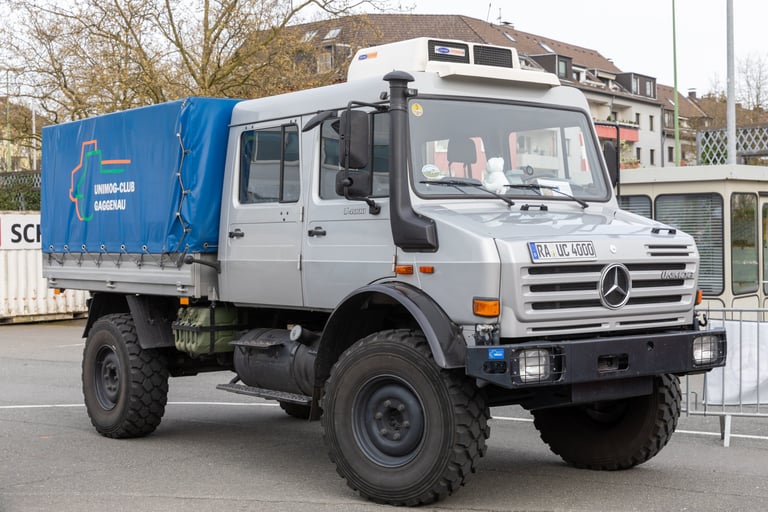
A Mercedes Benz Unimog truck, by Matti Blume via WKMC, license CC 2.0
No. 5 – Mercedes – Benz Unimog. In the USA, (and generally in the world) they don’t make many 4 wheel drive freight trucks. Filling in that gap in some foreign countries, this is one of the best. With high clearance, it has durability, and that Mercedes Benz quality. I first saw these in Venezuela, in use with the German Red Cross. At the time, I managed food distribution for the American Red Cross, and we were desperate for more transport. Could they spare a truck or two for a couple weeks to help us out?? Sure, their logistician assured me. But after several unreplied emails and unanswered phone calls, I knew they wouldn’t be coming. (Sigh.) So, I had to make do distributing tons of food boxes, using the following smaller trucks:
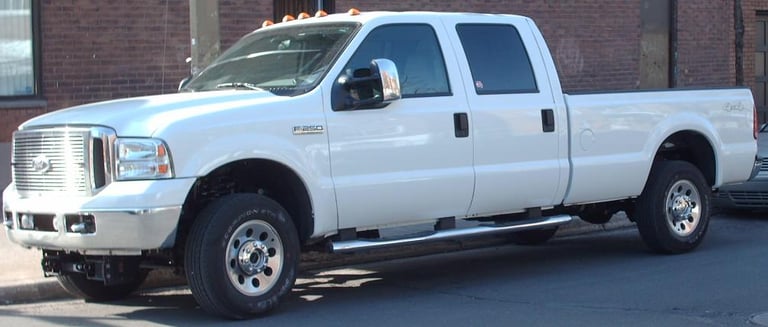
No. 4 – Ford F-250. Two of these sturdy trucks saved my Red Cross food distribution program some years back. They could carry more cargo than a Toyota pickup, and had more interior room – great for a tall logistician like me. Another logistician gave one of these Ford’s a bad fender bender, and no longer wanted it. We needed trucks so bad, we asked for it anyway. We bent the dent back as best we could, and sent it out on distributions. (The driver who took it over still loved it so much, he nicknamed it, “Petunia”.) For the other F-250 we had, my favorite part was the back seat. Distributing food to remote areas meant lots of hours on the road, and countless sunrise departures. I was able to stretch out on the backseat, and catch up on sleep. I called that truck, “Mi segunda casa.” (My 2nd home.) With these big pickups, we delivered food to support over 3,000 Venezuelan families. Thanks Ford.
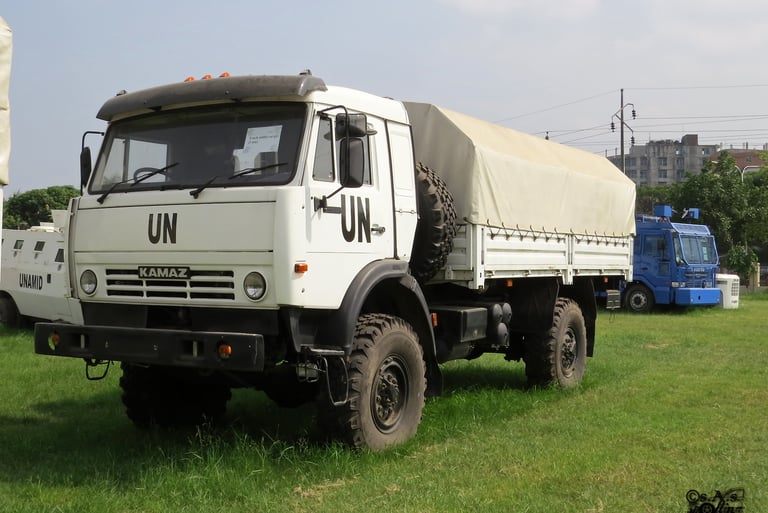
Kamaz 4326 truck by Shadman Samee via WKMC, license CC 2.0
No. 3 – KamAZ 4326. The Russians may have been behind the west on some technology, but they were ahead of the west when they designed this version of the Kamaz multipurpose truck. When I worked in Afghanistan, Russian truck dealerships were a lot closer than any American or European dealer, and some Afghan mechanics already knew how to service them. So these KamAZ truckks were imported for an NGO “Food For Education” program. With full time 4 wheel drive, these were well suited for hauling tons of food over unpaved roads, mud, snow, and up and down mountain passes. They had clearance high enough to cross many creeks too, and not get the food wet in the process.
No. 2 – Toyota Hilux. I first saw these in Guatemala hauling equipment for a water project, and this was before they were ever sold in the USA. The Hilux is one of the most popular NGO vehicles in the world. It can carry 6 passengers (even when it should carry only 5) while also carrying a load of cargo back in the flat bed. Smaller than the others on this list, they can squeeze through narrow country roads, and cross smaller bridges, while bigger trucks may make those same bridges collapse. They’re reliable, sturdy, and more affordable for NGOs than any other vehicle on this list. (Though they’re not cheap.) With such versatility, logisticians and drivers alike swear by them. But, the interior was compact, so not much leg room for tall guys. If only my knees weren’t always hitting the dashboard on those long bumpy trips…..
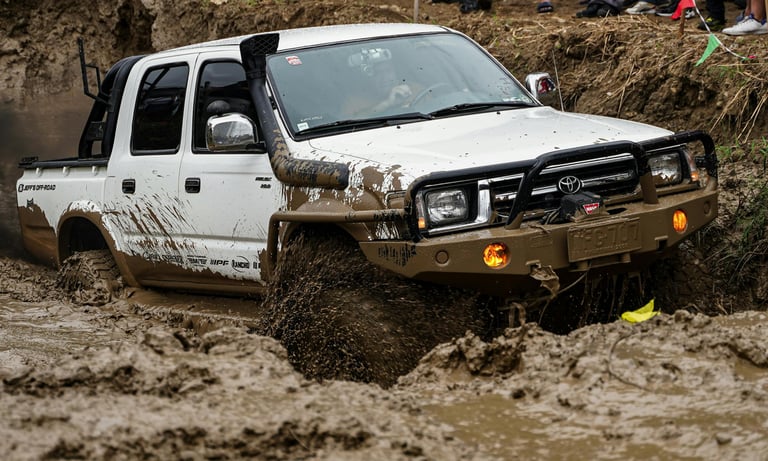
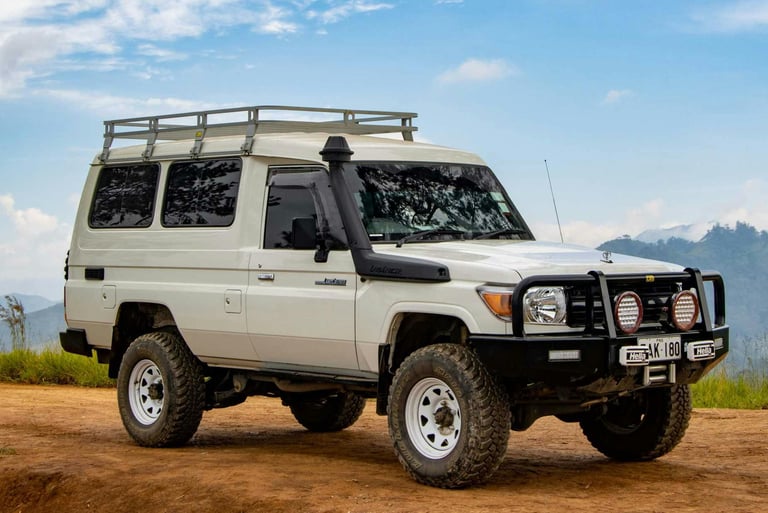
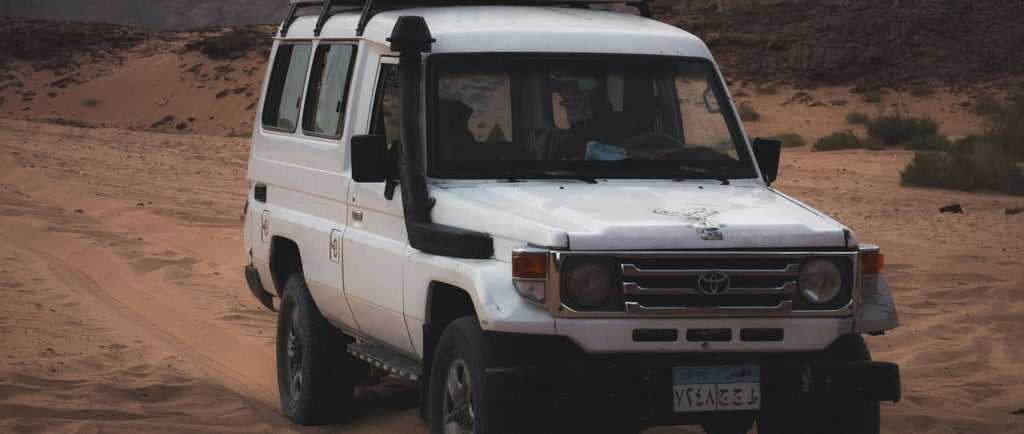
No. 1 – Toyota Land Cruiser. Without a doubt, the Land Cruiser is the top NGO vehicle in the entire world. And I’m not talking about those popular, fancy versions - the kind with chrome and tinted windows owned by posers in the cities. The real Land Cruisers NGOs use (as in the photo above) are boxier, tougher, and built with stronger and more durable parts than those urban models. The NGO versions can carry personnel, or cargo, or both, all over terrain impassable to most other vehicles. And most have a roof rack with room for even more cargo. Some come with a snorkel (also visible above). I saw one in use in Afghanistan, when we crossed a creek in winter. With the rising water creeping up to the hood, I swore that cold water would flood into the interior, or tht the engine would give out. Thankfully, neither happened. Besides NGOs, they’re the preferred vehicle for United Nations humanitarian agencies too. They’re expensive, but definitely worth it. They last. These are so versatile, that in many countries, they’re often outfitted as ambulances for use to remote communities! Here’s to you Toyota Land Cruiser, you’re the best NGO vehicle in the world. Full stop.
(Disclosure: The author once personally owned an old Land Cruiser, used for African safaris. Despite that bias, he remains convinced they are the best NGO vehicle.)